Showing posts with label grow. Show all posts

Monday, March 16, 2026

Vox explains why 'The banana is under threat'

I begin today's educational post I can share next month, I'm recycling the opening of Vice News on the 'Bananapocalypse: Why Bananas May Go Extinct'.
I first wrote "the dessert bananas people eat are threatened by fungus because of the unintended effects of growing monocultures of clones" ten years ago, and I haven't stopped warning my students about it since. It's right up there with bees as a story I tell my students, although I write about bees a lot more here than bananas. The last time was 2021 and the time before that was 2014. The latter was an audition for a video to show my students instead of "The Top Banana" trailer, and it failed. They decided that they liked the more fun teaser for a documentary that never happened than the more informative Seeker video. I didn't even try the Business Insider video. I'm planning on trying again with Bananapocalypse: Why Bananas May Go Extinct by Vice News.
I think I showed the Vice News video once three years ago and it didn't get nearly the reaction that "The Top Banana" regularly gets, so the latter stayed in my lectures on biodiversity as natural capital. I plan on trying one more time with Vox explaining why The banana is under threat.

Bananas are one of the world’s most popular fruits. They’re a staple crop in Asia, Africa, and Latin America. In the US, the average person eats more than 25 pounds of bananas per year.

The banana found in nearly every lunch bag, smoothie, and cereal is likely a Cavendish banana (a single variety that accounts for 99 percent of global exports), despite there being over 1,000 different species of bananas. This kind of uniformity is what allows the beloved banana to be cheap, durable, and ubiquitous.

It also makes them extremely vulnerable.

A variant of Panama disease, a soil fungus that once wiped out the world’s most commercial banana, the Gros Michel, in the 1950s, is back. And this time, there’s no obvious replacement for it waiting around the corner. So what will it take to save one of the world’s most beloved fruits?

This video explores how monocropping became both a blessing and a curse in the search for the most commercially viable banana, how this assumed ubiquity could lead to the end of the banana as we know it, and what scientists are doing to prevent the extinction of the Cavendish.
Between giving up the Cavendish for other varieties of bananas or accepting genetically modified Cavendish bananas, I'd bet on Americans accepting GMO Cavendish bananas first. We already eat a lot of GMOs in our corn and especially soybeans and have for years.


The rest of the world may not be so accepting and might be persuaded to expand the diversity of the bananas they eat.

This video reminds me of another Vox video I show to my students right after "The Top Banana" trailer, The race to save endangered foods.

Wild animals aren’t the only ones facing extinction.
...
We’re letting foods we’ve eaten for thousands of years disappear from farmers’ fields, and from our plates. Saving them isn’t just a matter of cultural preservation. In the next 30 years, we’re going to need to learn how to feed more people on a hotter planet, and the more genetic varieties we lose, the harder it’ll be to adapt.

To learn more about the foods facing extinction in the US and around the world, check out the Ark of Taste, a project of Slow Food USA.

Journalist Mark Shapiro’s book, Seeds of Resistance, goes into much more detail about the risk that genetic homogeneity poses to our food supply. He also profiles some of the efforts, many led by indigenous communities, to preserve older seed varieties.

For more on seed relabeling, check out the Farmers Business Network’s 2018 Seed Relabeling Report.

The chart on declining global yields for corn, wheat, and rice comes from an article in the academic journal Disasters and Climate Change Economics from agricultural economists Mekbib G. Haile, Tesfamicheal Wossen, Kindie Tesfaye, and Joachim von Braun. Their prediction model takes into account both climate change and price volatility, which is why their estimates are higher than those of some other researchers.

Special thanks to Marie Haga of Global Crop Diversity Trust, and Marleni Ramírez of Bioversity International for sharing their knowledge with me.
The students like this one, too, which I play right after "The Top Banana," but I wonder whether two Vox videos back-to-back will have the same impact.

I close with a video about the Gros Michel and Cavendish bananas that is too long to show to my students, I Ate the Extinct Banana (so you don't have to).

Just a truly devastating video to have to make...
I've spread the myth about banana flavoring being based on the taste of the Gros Michel before I watched this video. Now I say that banana flavoring is more like the smell of Gros Michel. That made watching this video worth it to learn that fact alone and correct my teaching. As I've written before and hope to write again, any day I learn something new is a good day.

That's a wrap for today. Stay tuned for a celebration of St. Patrick's Day.

Thursday, October 24, 2024

John Oliver on corn for National Food Day

Happy National Food Day! I'm celebrating today by sharing Corn: Last Week Tonight with John Oliver (HBO).

John Oliver discusses the financial and environmental impact of corn in the U.S., and whether or not he really knows what Pearl Harbor is.
I chose this video in part because this episode is nominated for Variety Series at the Environmental Media Association (EMA) Awards. It's between Last Week Tonight with John Oliver and Real Time with Bill Maher. I'm rooting for Oliver over Maher, but both are HBO series, so HBO wins no matter what.

I also picked this because corn has been a major topic of my National Food Day series, going back ten years to 2014's Corn questions from 'Food, Inc.' worksheet and most recently in My students are watching 'King Corn' for extra credit on National Food Day 2020. Oliver used clips from King Corn in this segment.

Normally, I'd answer the corn questions from the Food, Inc. worksheet, but I did that ten years ago, so I'm not doing it again. Instead, I tell my students that corn, along with E. coli, can be used for examples of three of Commoner's Laws, everything is connected to everything else, there is no such thing as a free lunch, and everything must go somewhere. Excess fertilizer washing off of corn fields causing dead zones works for all three.

While I've been skeptical about corn for fuel since the first year of the blog, I'm even more doubtful about it now. Seeing that it is the number one use of dense corn, although not the majority, is something I suspected but now know for sure. That's a statistic I can tell my students. Also, I did not know that growing corn for fuel has a larger carbon footprint than the equivalent amount of gasoline. It's a good day when I learn something new, and that makes today a good day, even if it's about something bad for the environment.

That concludes today's holiday entry. Stay tuned as I return to spooky season all the way to Day of the Dead.

Thursday, September 26, 2024

The History Guy remembers 'Johnny Appleseed: Man Behind the Legend' for Johnny Appleseed Day

I closed SciShow and Wild Hope describe 'Where Scientists Keep the World's Most Endangered Animals' by telling my readers "I'm thinking of observing a holiday like Paul Bunyan Day tomorrow, National Johnny Appleseed Day."* I'm celebrating today by sharing The History Guy remembering Johnny Appleseed: Man Behind the Legend.

Usually portrayed as a lanky man wearing a long-handled pot on his head and spreading apple seeds, the real Johnny Appleseed was a shrewd businessman and religious zealot who played an important role in U.S. westward expansion effort. The History Guy explores the reality underlying the character of American folklore. This is the forgotten history of the man, John Chapman, behind the legend of Johnny Appleseed.
SciShow expanded on the role John Chapman played in the development of modern varieties of apples in The Truth About Johnny Appleseed & Apple Genetics.

Did you ever learn the story of Johnny Appleseed as a child? What did he actually do for the growth of apples in America, and what has this taught us about apple genetics? Join Olivia Gordon for a new apple-tastic episode of SciShow!
First history, then science. That's very much my spin on things.

I conclude by repeating what I'm fond of writing, that I learned a lot from these videos and it's always a good day when I learn something new, so today is already a good day. I hope my readers agree.

*There is another Johnny Appleseed Day on March 11, the anniversary of this death, but I devote that day to natural disasters compounded by lack of preparedness, namely the anniversary of the Fukushima triple disaster and the the anniversary of the WHO declaring COVID-19 a global pandemic. I have no room for a day as cheerful as this one then, but it's available today. Besides, I'd rather celebrate his birthday, which is today.

Thursday, November 23, 2023

'The History of the Turkey' and PBS Terra on sweet potatoes and corn for Thanksgiving

Happy Thanksgiving! For this year's celebration, I'm being a good environmentalist by recycling the concept of last year's PBS Digital's 'Be Smart' explains 'The Surprising Origins of Thanksgiving Foods'. I begin with The History Guy telling his viewers to Get Stuffed! The History of the Turkey.

Most of us are familiar with the legend that turkey was served at the first Thanksgiving dinner in 1621, and has been the traditional protein for the celebration ever since. And that would be one of many commonly known facts about the prodigious poultry that is, well, incorrect.
While it concerns me that Big Data is watching you (and me, too), it was thanks to the YouTube recommendation algorithm that I found The History Guy in the first place, resulting in my posting The History Guy tackles 'The Rise and Fall of the American Mall,' a tale of the Retail Apocalypse. This video lived up to my expectations and filled my need for this kind of content. Behold the power of the YouTube algorithm!

That's it for the holiday history associated with the animal. Now for some food science about side dishes from PBS Terra's Hungry Planet series, beginning with a video examining another Thanksgiving staple, Sweet Potatoes' Flavor is More Complex Than You Think.

Packed full of vitamin A, calcium, and iron, sweet potatoes don’t get the love they deserve. In this episode of Hungry Planet, North Carolina State University PhD student Modesta Abugu tells Niba about her research to make sweet potatoes more delicious by identifying the aromatic molecules that give rise to their complex flavor. Followed by surveying people to determine what type of sweet potato flavors they enjoy more. Niba also chats with students in the Sweet Potato Project who have planted, harvested and sold sweet potatoes at a local community farm. Hungry Planet showcases how scientists and communities work to keep food on our plates for future generations.
This is the first Hungry Planet video I've embedded in my blog, but it's not the last. For an early Maize Day, I'm sharing How This Photo Booth Could Save Corn.

From movie theaters to barbecues, corn shows up seemingly everywhere. In this episode of Hungry Planet, Niba visits LA’s Boyle Heights, where she chats with restaurant owner Deysi Serrano about honoring corn’s historical roots in modern cooking. Niba also calls plant biologist and science TikToker Katie Murphy to hear about her research to ensure corn will survive climate change. Hungry Planet showcases how scientists and communities are working to keep food on our plates for future generations.
That was fun as well as educational and incorporated culture and tradition along with the history, science, and technology of the first two videos. I learned a lot from all three clips and it's always a good day when I learn something new. I hope my readers agree.

That's it for Thanksgiving. Stay tuned for a tale of the Retail Apocalypse for Black Friday/Buy Nothing Day.

Wednesday, September 13, 2023

Vice News on the 'Bananapocalypse: Why Bananas May Go Extinct'

I first wrote "the dessert bananas people eat are threatened by fungus because of the unintended effects of growing monocultures of clones" ten years ago, and I haven't stopped warning my students about it since. It's right up there with bees as a story I tell my students, although I write about bees a lot more here than bananas. The last time was 2021 and the time before that was 2014. The latter was an audition for a video to show my students instead of "The Top Banana" trailer, and it failed. They decided that they liked the more fun teaser for a documentary that never happened than the more informative Seeker video. I didn't even try the Business Insider video. I'm planning on trying again with Bananapocalypse: Why Bananas May Go Extinct by Vice News.

Being apart of nature, food can also be endangered. Counter Space explores those who are protecting and perfecting the foods we love.

This excerpt is from season two of Counter Space and was filmed in 2022.
I'll get back to my readers about my students' reactions to this video in a month or two. Stay tuned.

Wednesday, April 20, 2022

FiveThirtyEight on the state of legalization for 4/20

For today's update on marijuana legalization, I'm sharing FiveThirtyEight's Politics Podcast explaining Why Congress Is Dragging Its Feet On Pot Legalization.

As Congress considers legislation that would decriminalize marijuana and end the sentencing disparity for crack and cocaine offenses, Galen Druke speaks with FiveThirtyEight contributor Lester Black on this episode of the FiveThirtyEight Politics podcast about what Americans think should be done about drugs and how politicians are responding.
So the Democrats in Congress are on board, but, despite former House Speaker John Boehner being in favor of legalization along with a slim majority of Republican voters, most Republican lawmakers are not. FiveThirtyEight asks Why Do GOP Lawmakers Still Oppose Legalizing Weed?
So why exactly, then, aren’t more congressional Republicans representing their own voters’ views on this issue? One possibility is that many of these lawmakers simply don’t know how much Republicans’ opinions have changed. Political science research shows that politicians tend to overestimate their constituents’ support for conservative policies, with Republican lawmakers driving much of this phenomenon. Some congressional Republicans may therefore oppose federal legalization because they mistakenly believe they’re representing their own voters’ views.

Other members, however, are likely voting based on their own personal opposition to marijuana legalization. Compared with most Americans, congressional Republicans tend to be older and more religious, two demographic groups that are far more averse to legalization than younger and religiously unaffiliated Americans. Indeed, GOP politicians often oppose drug legalization on behalf of conservative principles like morality, order and family values.
This presents an opening for Democrats.
Regardless of the reasons, though, Democrats would be wise to make congressional Republicans’ opposition to marijuana legalization an issue in the upcoming midterm elections. As I noted two years ago, not only is legalization popular across the political spectrum, but political science research shows that it’s also one of the more important issues to Democrats, Republicans and independents. Every 4/20, in fact, it becomes more and more apparent that marijuana legalization is a winning political issue.
Here's to the Democrats taking advantage of this issue.

Monday, October 25, 2021

Vox explains how 4 companies control the beef industry for a late National Food Day

I foreshadowed the subject for National Food Day in Cyberattack on meat processor JBS shows how the food supply is a national security issue.
National Farmers Union President Rob Larew made a point that Food, Inc. makes about industrial agriculture; food processing has become too centralized and concentrated for the good of farmers, workers, and consumers and a more diverse food system would serve them better. To get students to think about that, I ask them "In 1970, how much of the beef market was controlled by the top beef packers? In 2010?" The answers show how much meat packing has consolidated during those 40 years.
In 1970, the top five meat packers controlled 25% of the beef supply. In 2010, the top four controlled 80%.
"Food, Inc." focused on how this concentration of power led to abuses of workers and outbreaks of food-borne diseases and could lead to disruptions of the food supply from market forces.
Vox shows how the consolidation has only increased in How 4 companies control the beef industry and has made the situation even worse for farmers.

Corporate consolidation is making it impossible for cattle ranchers to stay afloat.
...
Cattle auctions happen every day throughout the US; they serve a crucial purpose for the cattle markets. Inside one of these auctions, like the one we profile in St. Onge, South Dakota, you can see how a competitive market functions. There are multiple producers and buyers competing for a commodity, which results in a value, or price, for that commodity.

But over the past 40 years, the meatpacking sector — made up of the companies that buy and slaughter cattle for consumption — has undergone a dramatic degree of corporate consolidation. In the 1980s, the US relaxed its approach to antitrust enforcement, one tool the government uses to rein in market concentration. Today, only four companies process 85 percent of all the cattle produced in the US.

Cattle ranchers say this is affecting their ability to compete for good prices and make a living. This is one way industrialized agriculture is making it difficult for independent farmers and ranchers to stay in business in America.
This is approaching the state of chicken farming, where the processors have total control over the animals and near total control over the farmers. That may be good for consumers in the short run, but it will likely drive independent farmers out of business, setting up the chicken model for beef. I don't know if that will be good for anyone but the meatpackers in the long run.

That's it for this year's exploration of "Food, Inc." for Food Day. Stay tuned as I go all Halloween from now to the end of the month.

Saturday, September 25, 2021

Trevor Noah and Samantha Bee describe the lesser known effects of climate change

I closed Seth Meyers and James Corden team up for Climate Night "I plan on posting at least one more entry about Climate Night. Stay tuned." I decided to conclude with one final post featuring Climate Night materiaol, beginning with The Consequences of Climate Change You May Not Know About | The Daily Show.

We’re all familiar with the major effects of climate change, but a hotter Earth creates lots of smaller changes too: more female turtles, worse-tasting coffee, scary space junk and even less sex.
When I wrote "I've mentioned how climate change will affect coffee at least twice, but this is the first funny look at that outcome. It won't be the last" in Colbert and Kimmel kick off Climate Night, that's because I had already watched this clip. In fact, it was the first Climate Night monologue I saw. Behold the power of the YouTube algorithm!

Samantha Bee covered another little-known effect of climate change in Climate Change’s Dirty Little Secret: Sewage.

If you thought climate change was sh*tty, just wait until you hear about this extremely pressing climate change issue that no one’s talking about! That’s right, we need to discuss our nation’s sewage system.
While I didn't mention sewage in Detroit floods while the Pacific Northwest bakes in record temperatures, sewage overflows and backups were a major part of the flood damage in A billion dollar trash day. I was lucky that it didn't ruin anything in my basement at the time.

Since I want to share some sustainable actions, here's a bonus video featuring one of my heroes, Dr. Jane Goodall on the Environmental Importance of Planting Trees (Extended) | The Tonight Show.

Dr. Jane Goodall talks about her new campaign Trees for Jane and her new book The Book of Hope: A Survival Guide for Trying Times.
I think this is a good idea to combat climate change and improve the environment in other ways, as Dame Jane explains.

This concludes my coverage of Climate Night. Stay tuned for the Sunday entertainment feature.

Wednesday, August 18, 2021

SciShow asks 'Will climate change coffee?'

One year ago, I posted Vox describes how climate change is brewing a crisis for coffee growing. I'm revisiting the topic of climate change affecting food production with SciShow asking Is Coffee Disappearing... or Will It Just Taste Different?

Many of us rely on a morning cup of coffee, or several morning cups of coffee, to get us going. But climate change has the potential to shift not only where and how we grow coffee, but whether it can be grown at all.
For my reaction, I'm recycling what I wrote last year.
As a coffee lover and [former] officer of Coffee Party USA, I'm concerned that it will be harder to drink my favorite hot beverage. As an educator, it works as another example for two of Commoner's Laws: Everything is connected to everything else and there is no free lunch. In this case, I mean the latter literally.

Saturday, July 24, 2021

California's drought causing a crisis in agriculture and rural communities

So far, Western drought likely worst in a millennium and may be the beginning of 'aridification' is the most read entry of the current blogging year with ~1,660 default and 2,192 raw page views. I updated the story in Drought, fire, and mudslides in California, a story I tell my students earlier this month, but CNBC uploaded How The West Coast Drought Could Cause More ‘Water Wars’ yesterday. It adds an economic and government perspective to the scientific one in the two earlier posts, so I'm sharing it.


How The West Coast Drought Could Cause More ‘Water Wars’

While the previous two posts looked at climate change and its effect on water supply, I haven't focused on that pathway's effect on agriculture and food production for seven years, with Climate change reducing food supply examining the subject in general and CNN on the San Joaquin, America's most endangered river looking at California in particular. It's about time I returned to the subject.

I have my reservations about the solutions proposed, particularly water indexes, a financial instrument that may be better for investors than for consumers, and desalination. As I tell my students, that's a technology that works only where there is a lot of demand, money and available energy, but few alternatives for increasing water supply. All those perfectly describe Israel but hasn't described California until very recently. As I wrote in Drought and polar vortex from KPBS seven years ago: "In Tunnel in the Sky, published early 60 years ago, Robert Heinlein expected that southern California would become dependent on desalination plants to supply freshwater. I thought that future was a long way off, but it may happen sooner than I expected.

PBS NewsHour uploaded their own report on the effects of the drought four days ago, Californians scramble for fresh water as taps, wells run dry.

The severe drought across the Western U.S. is already causing long term problems, exacerbated by the warming atmosphere driven by climate change. As William Brangham reports from California’s San Joaquin Valley, the demand for water has threatened the drinking supply for hundreds of thousands of rural residents — including the farmers who grow a significant part of the country’s food supply.
While PBS also reported on the impacts on and of agriculture, it focused more on the individual farmer and consumer. It certainly doesn't have the question "how can I make money off of this" lurking in the background like CNBC. The Wall Street Journal could have done that in Why the Western Drought Will Have Major Ripple Effects, but it focused more on the science and effects on individuals.

Watering the Country's Food Basket Is Becoming a Challenge

Droughts are part of a natural cycle of water. But the drought currently gripping the Western U.S. has climate scientists concerned that the cycle may be shifting. This has major implications for those who rely on the water the most: farmers and the communities they surround.
The "ripple effects" the Wall Street Journal describes are examples of two of Commoner's Laws, "everything is connected to every thing else" and "there is no free lunch," both of which make this a story I can tell my students. Welcome to blogging as professional development.

I'm sure I'll return to the drought and its effects later. Right now, stay tuned for the Sunday entertainment feature, which I'm planning on being part two of Coffee Party USA announces the 2020 Golden Coffee Cups movie shortlists, part 1: films.

Tuesday, June 29, 2021

Business Insider explains 'why the world's most popular banana may go extinct'

It's been eight years since I first wrote "the dessert bananas people eat are threatened by fungus because of the unintended effects of growing monocultures of clones," so when I saw Why The World’s Most Popular Banana May Go Extinct | Big Business, I was saddened and alarmed, but not particularly surprised. Watch to see how the banana crisis has progressed since I last blogged about it in 2014, before Tropical Race 4 of Panama Disease had reached South America in 2019.

Bananas are facing a pandemic, too. Almost all of the bananas exported globally are just one variety called the Cavendish. And the Cavendish is vulnerable to a fungus called Panama Disease, which is ravaging banana farms across the globe. If it's not stopped, the Cavendish may go extinct. We visited a farm in Colombia infected with Panama Disease and a lab in the Netherlands studying the fungus to see if biosecurity and breeding can save the $25 billion banana industry.
I make the point that growing monocultures of clones is a bad idea every semester and this video shows why. Worse yet, the video and I both describe that it happened before and all growers did was replace the variety grown, which illustrates another point I make, that people don't learn and repeat their mistakes. At least this time, growers in Columbia are implementing measures that will slow the spread of the disease, which might give them more time to find a solution other than the genetically modified Cavendish that I think works well from a scientific and technological perspective, but is unpalatable socially and politically. Sigh. People have to accept the solution for it to really work.

Watching this reminds me that I promised to share a Business Insider video about the rise, fall, and return of Twinkies three months ago but haven't done so yet. I'll get to that after observing Asteroid Day tomorrow, Canada Day Thursday, and World UFO Day on Friday. Saturday looks open before I celebrate July 4th on Sunday. Stay tuned.

Saturday, October 24, 2020

My students are watching 'King Corn' for extra credit on National Food Day 2020


Happy National Food Day! For this year's celebration, I am taking a break from my five year project of blogging about "Food, Inc." on this day. It's only a slight break, as I am instead writing about a movie my students have been able to use for extra credit in addition to the assignment on "Food, Inc.," "King Corn."

I created the worksheet below because the YouTube uploads of "Food, Inc." I have used for my students while they take my courses remotely were blocked in the U.S., something I expected would happen eventually. However, the upload of "King Corn" remained, so I used two existing worksheets for inspiration, rewriting some of the questions and substituting my own for the rest to cover topics I found more important. As soon as I completed it, I found a new upload of "Food, Inc." at watchdocumentaries.com that I could use, so I didn't have to change the assignment or the test questions based on it (The site also has a upload of Chasing Ice so I can continue using that film as well as long as the pandemic persists). Still, I'm an environmentalist, so I won't waste what I made. I substituted the "King Corn" worksheet below for the original extra credit opportunity, a one-page essay worth 8 points. The students have a structured assignment worth two more points out of all this!

Enough introduction. Here's the assignment.

KING CORN

In this lab session, you will watch King Corn (Available on Amazon. If you don't have Amazon, there is an uploaded version on YouTube), the Peabody Award winning 2007 movie directed by Aaron Woolf about best friends Ian Cheney and Curt Ellis and what they learned about the food system when they returned to the small Iowa town where two of their great-grandfathers lived to grow corn. As you watch the movie, answer the questions beginning on the next page. After the video is over, find the best examples you saw from the show of each of the five concepts below and write them in the blanks on this page. You must answer all questions, including the ones on this page, for the full ten points. The five questions below are worth one point total. Questions 1-18 are worth nine points total, one-half-point each.

A value expressed and a decision made based on that value.
____________________________________________________________________________________________________________________________

Everything is connected to everything else.
____________________________________________________________________________________________________________________________

There is no such thing as a free lunch.
____________________________________________________________________________________________________________________________

Everything must go somewhere.
____________________________________________________________________________________________________________________________

Nature knows best.
____________________________________________________________________________________________________________________________

Program description from IMDB: King Corn is a feature documentary about two friends, one acre of corn, and the subsidized crop that drives our fast-food nation. In King Corn, Ian Cheney and Curt Ellis, best friends from college on the east coast, move to the heartland to learn where their food comes from. With the help of friendly neighbors, genetically modified seeds, and powerful herbicides, they plant and grow a bumper crop of America's most-productive, most-subsidized grain on one acre of Iowa soil. But when they try to follow their pile of corn into the food system, what they find raises troubling questions about how we eat-and how we farm.

(Follow over the jump for the rest of the worksheet.)

Wednesday, August 12, 2020

Vox describes how climate change is brewing a crisis for coffee growing

I'm taking a break from the Emmy Awards, elections, and COVID-19 pandemic to write about climate change, which will be a problem long after all of the above are over. To that end, I am sharing The global coffee crisis is coming by Vox.

It's becoming harder and harder to grow.
...
Coffee is one of the most popular commodities on Earth. It's grown by nearly 125 million farmers, from Latin America to Africa to Asia. But as man-made climate change warms the atmosphere, the notoriously particular coffee plant is struggling. Places like Colombia, which once had the perfect climate to grow Arabica coffee, are changing. Now, experts estimate the amount of land that can sustain coffee will fall 50 percent by 2050. It's not just a crisis for consumers but for the millions who have made a livelihood out of growing coffee.
The last time I wrote directly about the connections among climate, food and farming, I described how farming was exacerbating climate change in Hot Mess explains the problems with making our food system more sustainable and climate-friendly. This video explains how climate is already making farming worse, although one of the videos I embedded in Climate change has made Michigan warmer and wetter showed how the "wetter" part affected farmers in Michigan.* As a coffee lover and officer of Coffee Party USA, I'm concerned that it will be harder to drink my favorite hot beverage. As an educator, it works as another example for two of Commoner's Laws: Everything is connected to everything else and there is no free lunch. In this case, I mean the latter literally.

*During last summer's geology field trip, I looked out at fields that would normally be full of corn and soybeans and saw nothing but dirt and weeds. I had never seen so many fallow fields since I started taking this field trip in 2001. That's how bad the flooding and waterlogged soil were.

Wednesday, May 20, 2020

World Bee Day celebrates the importance of bees


Happy World Bee Day! Take it away, National Day Calendar!
World Bee Day is celebrated on May 20 each year. The purpose of the international day is to acknowledge the role of bees and other pollinators for the ecosystem.

Every year on this day, the global public will focus on the importance of preserving honey bees and all other pollinators. People will be reminded of the significance of bees in providing for the needs of humanity.
I selected three videos that convey the importance of bees and other pollinators for my readers, beginning with On World Bee Day, Worrying Developments for the World's Pollinators from VOA News.

As the world marks Bee Day this week (May 20), it's a good opportunity to check in on these industrious insects that are responsible for about 80 percent of all pollination worldwide. But something is wrong with the world's bees and our existence might depend on figuring out why. VOA's Kevin Enochs reports.
That's very much the same message about bees I've been telling on this blog for years, but it bears repeating.

Speaking of which, I present a video that places the importance of bees in the context of the COVID-19 pandemic, World Bee Day. Unsung heroes from the Food and Agriculture Organization of the United Nations.

Food is precious. During times of crisis, we must appreciate even more what it takes to get food to our plates. [J]ust think of bees and beekeepers. Most of the world’s vital food crops depend upon bees and other pollinators, giving us a diversity in our diets of quality fruits, vegetables, nuts, and seeds.

Without them our gardens would not flourish, plant diversity would decrease, and we would miss the sweetness of honey. Yet, our tiny heroes are under threat from intensive agriculture, habitat loss, improper use of pesticides and climate change. Beekeepers are working to protect them. Contributing to our food and nutrition security, safeguarding biodiversity and providing livelihoods for millions.

To all these unsung heroes, we say…Thank you!
That reiterates the threats to bees I've been listing on my blog for most of the past ten years, but it does it well and updates it for our current situation. That alone makes it worth embedding. It helps that the United Nations established World Bee Day, so including a U.N. video is only proper.

Speaking of proper, I conclude today's post with a video from The Royal Family Channel: Duchess of Cornwall Marks World Bee Day as First President of Bees for Development.

The Duchess of Cornwall has sent a message to mark World Bee Day, in her capacity as newly named president of Bees for Development.

Camilla keeps nine hives herself and “every year sells the honey from her hives for charity,” a statement from Clarence House reads.

Bees For Development is a charity that aims to use beekeeping as a way to transform people’s lives.

Last year Her Royal Highness attended the Bees For Development Garden Party at Marlborough House in London.
...
Report by Gianluca Avagnina.
Camilla, Duchess of Cornwall is not my favorite Royal — that's Meghan, Duchess of Sussex — but her being a beekeeper makes her an appropriate celebrity spokesperson for the cause. It makes me like her a little bit more.

I will do this all over again for World Honey Bee Day in August with updates on threats facing bees, such as "murder hornets," in between. Stay tuned.

Monday, April 20, 2020

Virginia decriminalizing marijuana leads legalization and decriminalization update for 4/20/20


It's April 20, the date that for the past five years, I've used to update my readers on the status of marijuana legalization.  Last year, I followed up on legalizing recreational marijuana in Michigan.  This year, I look at the status of legalization and decriminalization around the country.

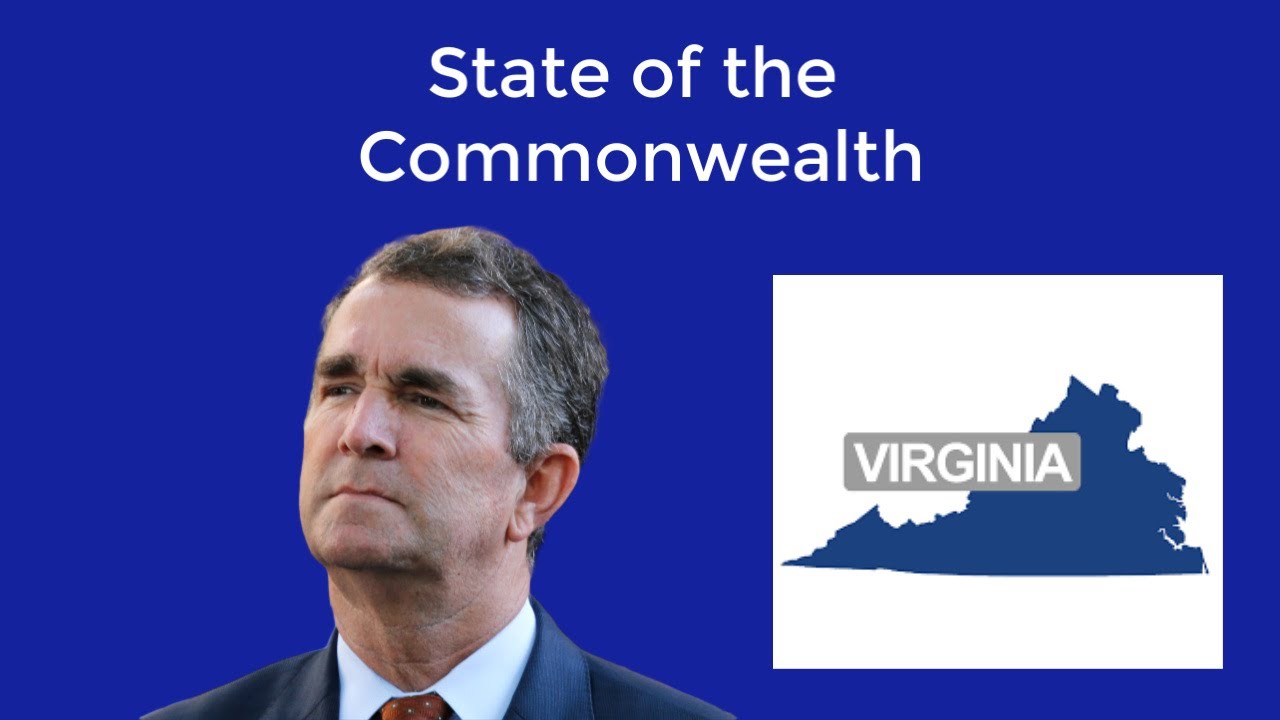
I begin with the most recent news, Virginia decriminalizing marijuana, which happened a week ago.  13News Now included the story in Gov. Ralph Northam pushes back minimum wage hike, signs some bills into law.

The Virginia governor decriminalized marijuana, made election day a state holiday, pushed back the date of the minimum wage increase and promoted a "clean economy."
Other than delaying the minimum wage increase, I approve of all these laws being enacted.  They improve elections, criminal justice, and the environment, all issues I care about.  I can even understand delaying Virginia's minimum wage increase even if I disagree with it; no issue is escaping the effects of the COVID-19 pandemic.

Follow over the jump for the rest of the stories about marijuana legalization and decriminalization from the past year.

Tuesday, August 20, 2019

Devita Davison explains how urban agriculture is transforming Detroit — Student Sustainability Video Festival 81


I know that I wrote "Tuesday I expect to be updating On The Issues shows most of the Democratic candidates have moved left during the campaign, too," but I have a stack of final exams to grade, so I will give my readers a rain check on that topic.  Maybe tomorrow.  Instead, I'm posting the latest episode of Student Sustainability Video Festival, my go-to blogging theme for when I'm correcting final exams or traveling.

Today's video combines two staples of the early years of the blog, urban agriculture and TED talks, How urban agriculture is transforming Detroit | Devita Davison.

There's something amazing growing in the city of Detroit: healthy, accessible, delicious, fresh food. In a spirited talk, fearless farmer Devita Davison explains how features of Detroit's decay actually make it an ideal spot for urban agriculture. Join Davison for a walk through neighborhoods in transformation as she shares stories of opportunity and hope. "These aren't plots of land where we're just growing tomatoes and carrots," Davison says. "We're building social cohesion as well as providing healthy, fresh food.
When I read the topic, I was expecting Davison to mention Brightmoor, one of the neighborhoods featured in HOUR Detroit displays its green thumb; she did not disappoint me.

With luck, I'll return to regular blogging tomorrow.  If not, I have plenty of videos from my students' presentations to choose from.  Either way, off to correct final exams!

Saturday, August 17, 2019

The third Saturday of August is World Honey Bee Day


Happy World Honey Bee Day!*  Here's the updated holiday description from National Day Calendar.
World Honey Bee Day on the third Saturday in August brings a buzzing celebration for beekeepers, honey lovers, and all blooming things.

The day recognizes both the honey bee and the beekeepers who tend the hives. It also encourages everyone to enjoy and buy locally grown honey.

Another important part of the day includes learning about honey bees and providing them with a supportive environment. When we plant wildflowers, orchards, and other flowering plants, we support pollinators such as honey bees. They depend on the nectar of a variety of plants for their survival. Conversely, we depend on honeybees for our survival! Without their pollinating abilities, many nutritious plans wouldn’t reproduce.

Besides, their delicious honey is an added bonus. We enjoy it in our baking, teas, and confections.

Honey bees do sting, but only if they perceive a threat – damage to their hive or being swatted at. Since they seek sweet nectar, sugary drinks and sweets will attract honey bees when flowers are not blooming yet.  Keep beverages covered. If a honey bee comes close, either hold still or move slowly away. The honey bee will fly along to the next sweet thing as long as it doesn’t feel threatened.
Since I enjoy including clips from local news shows about national and world days, I'm sharing two videos from Good Morning Sacramento that were uploaded for last year's celebration.

Here's part one, World Honey Bee Day.

Sara Foust from The Bee Box is teaching us about the Bees, on World Honey Bee Day!
In case that wasn't enough, here's World Honey Bee Day Pt. 2!

Sara Foust from The Bee Box is teaching us recipes using local honey!
I thought both clips made for a fun combination of learning from the guest and goofiness from the hosts.

CNN joined in celebrating the day by offering Seven simple things you can do to save the bees on National Honeybee Day.
Bee lovers are abuzz on National Honeybee Day, the time of year when we honor nature's hardest-working pollinator.

People owe a lot to bees -- namely, many of the foods we enjoy, like strawberries, avocados and broccoli. The US Department of Agriculture estimates that every 1 in 3 bites of food exists because of animal pollinators, and bees lead the charge.

Luckily, honeybees aren't in danger of extinction like other bee species, but their health is critical to the survival of all bees. When honeybees are infected with pathogens or parasites, they infect native bees that are more vulnerable to extinction, said Alixandra Prybyla, science director of the Honeybee Conservancy.

"Saving the bees" seems like a lofty goal, but you don't have to be a beekeeper to make an impact. Here are some small changes you can make to keep bees healthy.
  • Plant a garden of any size
  • Keep the mowing to a minimum
  • Get to know your local beekeeper
  • Make a bee bath
  • Join a citizen science project
  • Avoid products grown with pesticides
  • Don't call pest control if you see a swarm
All good advice.

Don't forget that today is also National Nonprofit Day.  To celebrate, I'm asking my readers to please match my $5.00 donation to Coffee Party USA.  Thank you.

*There is also a World Bee Day.  Since bees have been a continuing topic of this blog, they can have two days to celebrate them on this blog.

Monday, August 5, 2019

Silly and serious about student loan debt from Samantha Bee and NBC News


I've mentioned student loan debt as an issue only twice before on this blog, most recently in Ten years ago, we were partying like it was 1929. Are we about to do it again?
Student loan debt is indeed a problem, one that I've mentioned only once on this blog thanks to Benie Sanders campaigning on the issue in Ann Arbor two years ago.  However, I doubt it will send the economy into recession the way the housing bust did in 2007-2008, as the value of housing declining contributed to reduced consumption then caused a financial crisis, which made the recession worse.  That's because the value of a college education will not decline before a recession, so that won't drag down the valuation of the debt as an asset, putting strain on the financial system and causing a panic to start a recession.  Instead, the causality will go the other way; the recession will hit first, causing people to lose their jobs and make them unable to pay.  That will cause a debt crisis in the financial system.  At least banks can't foreclose on and repossess people's educations, so the students will still have them, unlike all the people who lost their homes, although that's small consolation to the graduate whose increased earnings from their education have gone to paying off the debt to get their education.  That alone is reducing consumption and home ownership, slowing down the economy.
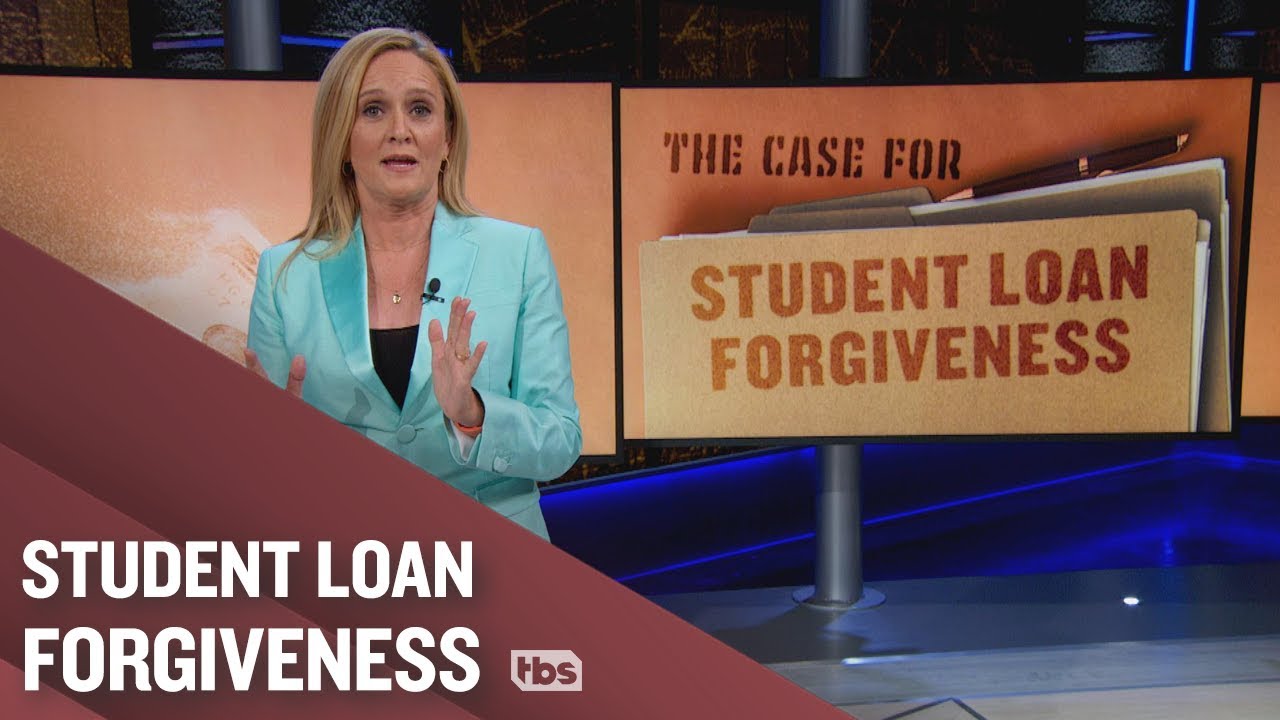
My last point showed up in two videos last week, one funny, the other dead serious.  I begin with the funny one, Full Frontal with Samantha Bee's Student Loan Debt: It’s Not Just For Millennials Anymore!*

Student loans: Is it time to forgive and forget? When it comes to 2020 election issues, nothing unites voters like crushing student loan debt. Just take it from Extremely Young™ Presidential Candidate Pete Buttigieg: student loan debt sucks, fam!
That was the silly video; now for the serious one from NBC News, How Student Debt Is Crippling Young Farmers And The Future Of Agriculture.

Young farmers like Lauren Manning struggle to prosper because they are buried in student loan debt, yet the average age of U.S. farmers approaches 60 and they have no one to pass the torch to.
I couldn't resist the connection between student loan debt and farming.  As someone who is fond of Commoner's Laws, I think it's a good example of two them; everything is connected to everything else and there is no free lunch.  It's not just the graduates who are paying for those loans; it's all the rest of us, too.  The only question is how.

*Bee has another video about last week's Democratic debates that covers immigration.  I might get to that one later this week.

Saturday, August 18, 2018

Happy World Honey Bee Day 2018!


Just as National Day Calendar informed me that yesterday was National Nonprofit Day, it told me that today, the third Saturday in August, is World Honey Bee Day.  Since bees have been a continuing topic of this blog, this is exactly the kind of holiday I should celebrate.*

Here's the description.
Beekeepers, honey lovers and all blooming things in nature make note that the third Saturday in August in World Honey Bee Day.

Recognizing not only the honey bee but the beekeepers who tend to hives, World Honey Bee Day encourages everyone to enjoy and buy locally grown honey.

HOW TO OBSERVE
  • Collect and spread local wildflower seeds to promote honey bee pollination.
  • Flavors of honey will vary depending on the variety of flowers and nectar available to the bees.
  • Clover, alfalfa, lavender, orange, and chestnut are just a few to choose from.
  • Replace your usual sweetener with honey for the day. Taste the difference!
  • Give the gift of honey to a friend, neighbor, co-worker or family member.
  • Don’t forget to share with your honey, too! Use #WorldHoneyBeeDay to post on social media.
HISTORY

World Honey Bee Day began as National Honey Bee Day in 2009 with a proclamation issued by the Secretary of Agriculture, Thomas J. Vilsek. The day grew rapidly bringing awareness to the benefits and environmental needs of honey bees.
Follow over the jump for three videos about the day plus one about what would happen if bees died out.

Monday, April 30, 2018

Seeker/DNews and Vox on food waste: Student Sustainability Video Festival 76


For the final post of April 2018, I am briefly returning to the Student Sustainability Video Festival series, which I post when I'm busy traveling or grading papers. I left off at the series at Episode 75: Hurricane Andrew so today's entry is Episode 76.

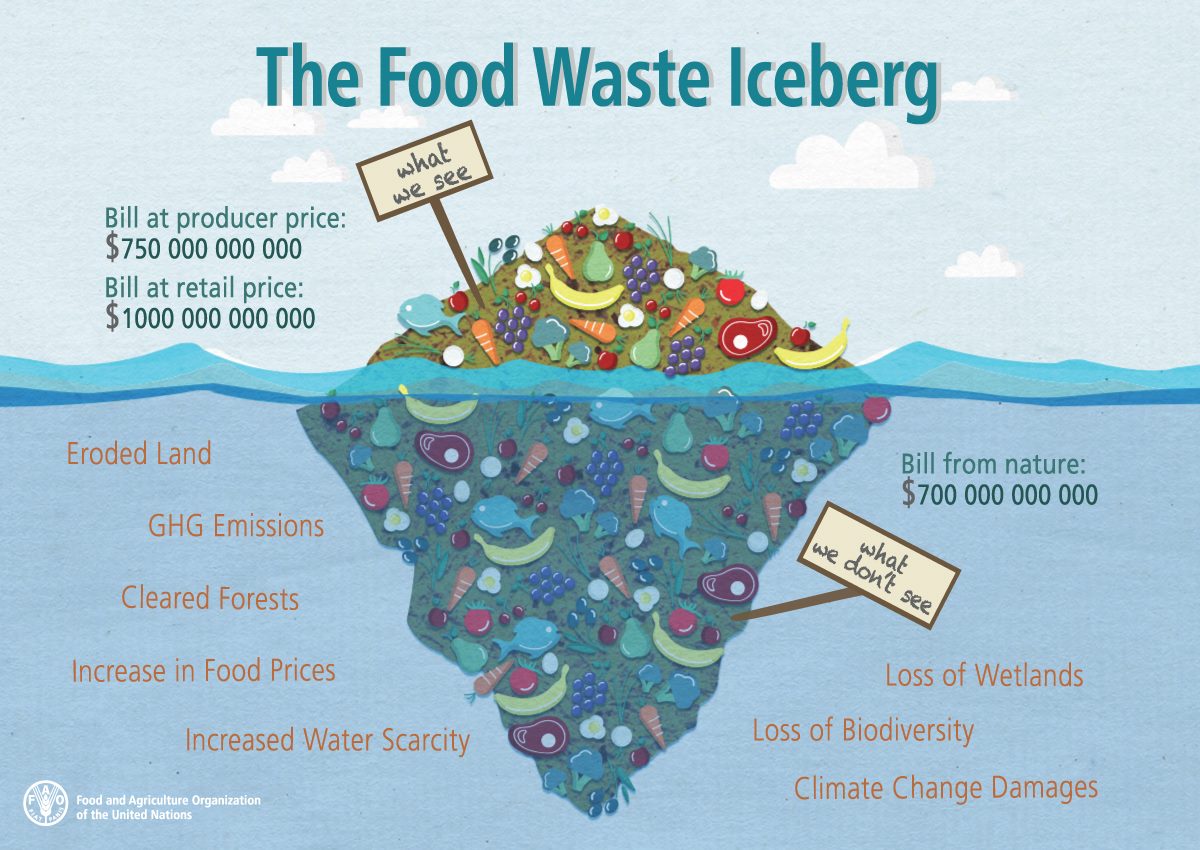
The final video my students presented this semester was Seeker/DNews asking Why Do We Waste $1 Trillion Of Food A Year?

"Ugly" and deformed food often gets left in fields to rot. How can we help reduce this food waste?
If this really were purely a Student Sustainability Video Festival entry, I'd stop here.  Instead, I'm tying this entry to Vox on going green by reducing waste for Earth Day 2018 by posting another video from that same Vox series: Food waste is the world's dumbest problem.

Eat your peas! It’s the easiest way to fight climate change.
That's it for this series for now, as I've finished grading final exams and have posted the grades by now.  The series should return in August or September.

That's also it for April 2018.  Stay tuned for another drum corps May Day entry to start the new month.